
Reuse Lab.
Culturally rooted. Optimized for use.
Reuse Lab is a research-led design blueprint for sustainable products that are culturally rooted, operationally sound and ready for market.
We started with food and drink packaging because takeaway is where single-use waste meets daily habit most often, and where culture matters most.
KopiCup
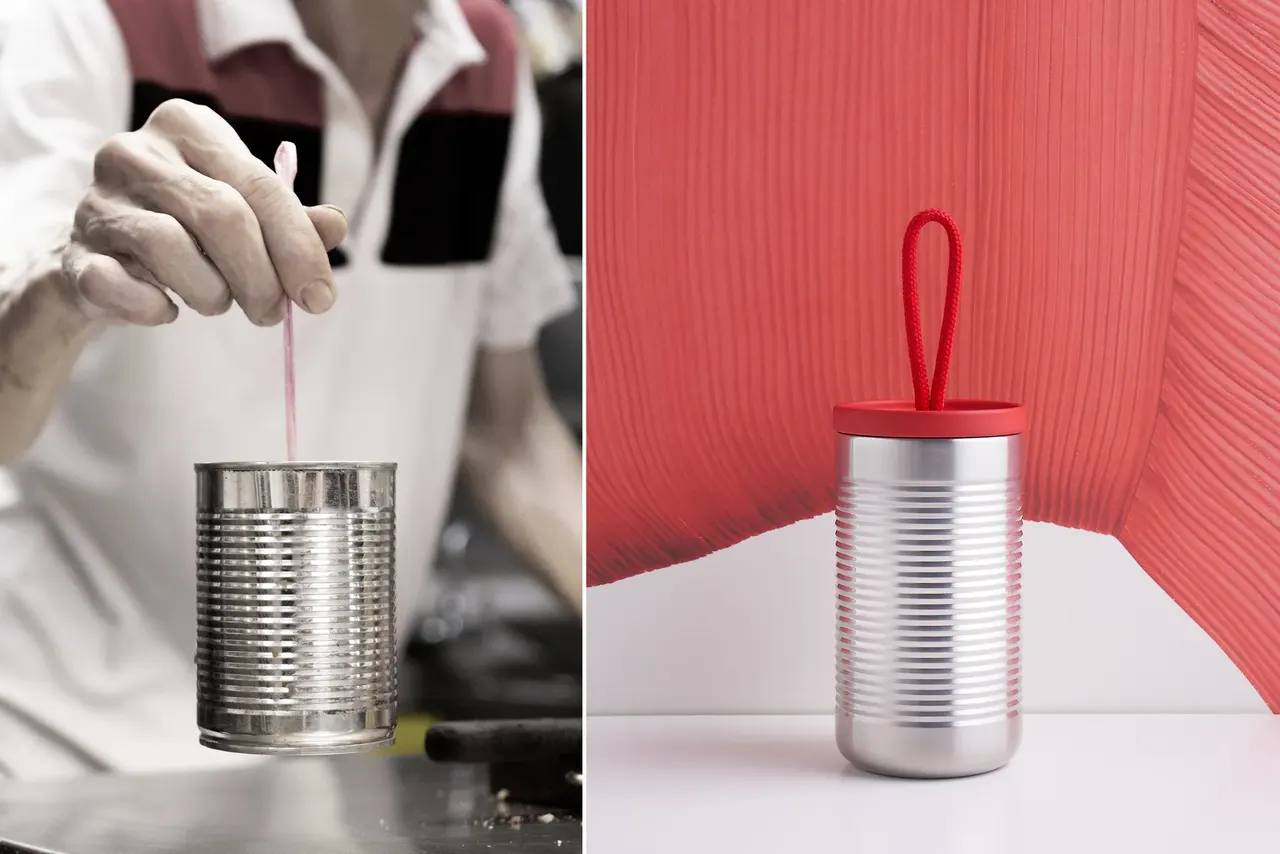
Kopi in a tin, brought back.
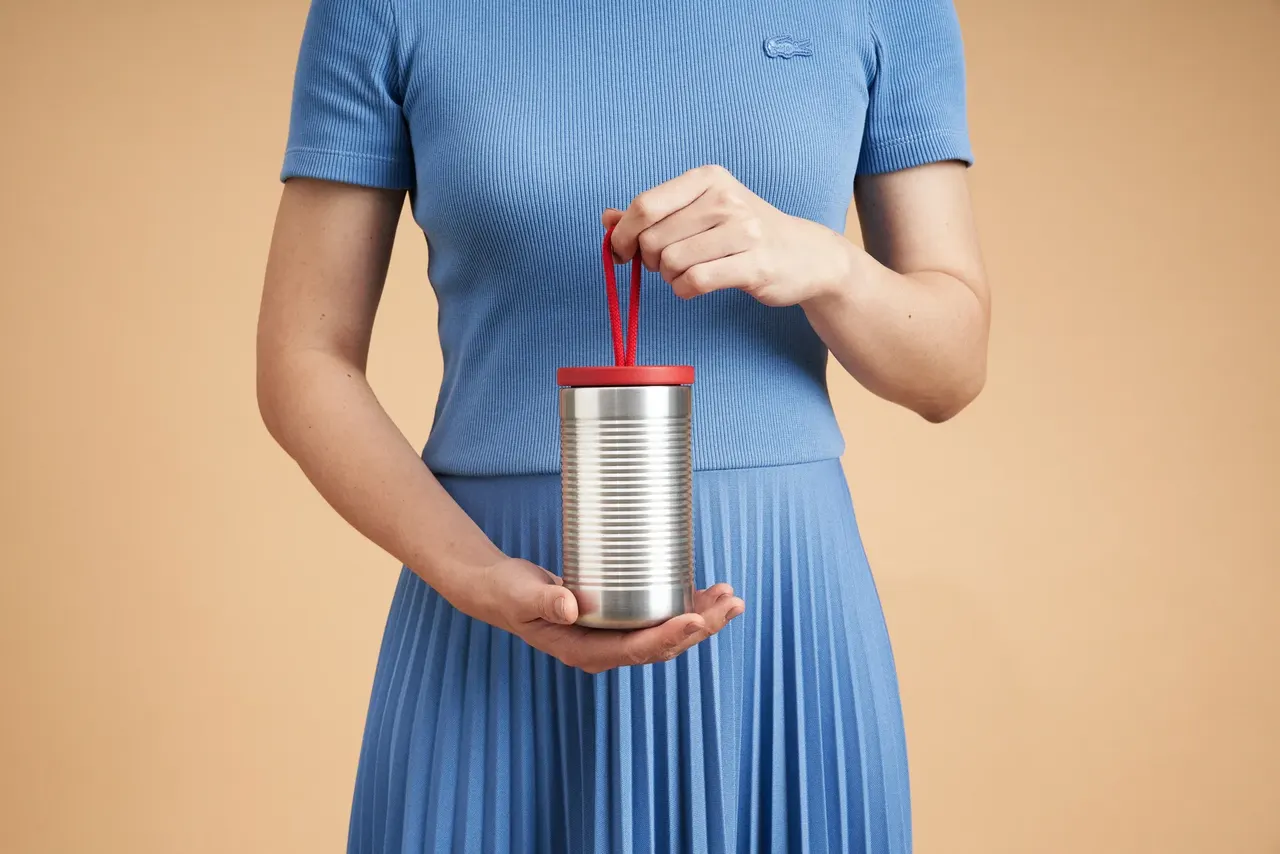
The KopiCup exemplifies Forest & Whale’s approach to ethnographic research and culturally grounded design. Recognizing that the reusable drink container market is saturated with Western-centric products, this project introduces a local cultural icon for Singapore’s BYO movement. The design is a modern revival of a circular economy practice from the 1960s, where traditional kopitiam hawkers engaged in frugal innovation by repurposing used milk tins with raffia strings. By translating this specific heritage into a contemporary product, the cup fosters a shared environmental stake between hawkers and customers, aiming to ignite a wider socio-cultural movement within local food centers.
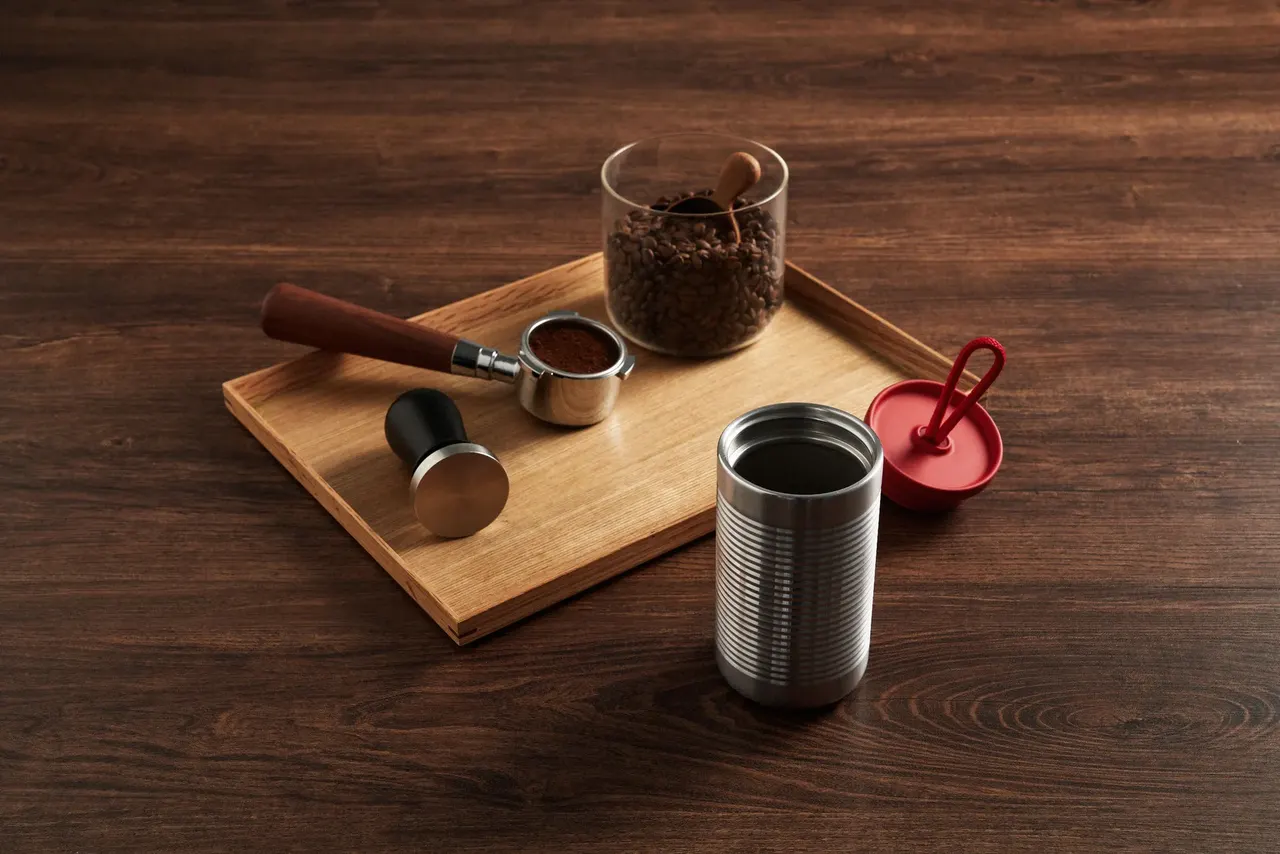
Moving beyond aesthetic homage, the vessel is engineered to solve daily challenges through empathetic design. The physical form elevates the traditional upcycled tin into a high-performance vacuum flask, utilizing double-wall stainless steel to keep beverages hot or cold for hours. Replacing the historical raffia, an interchangeable braided cord allows the cup to be easily carried or hung when hands are full, preserving the functional ingenuity of the original inspiration while delivering optimal modern utility.
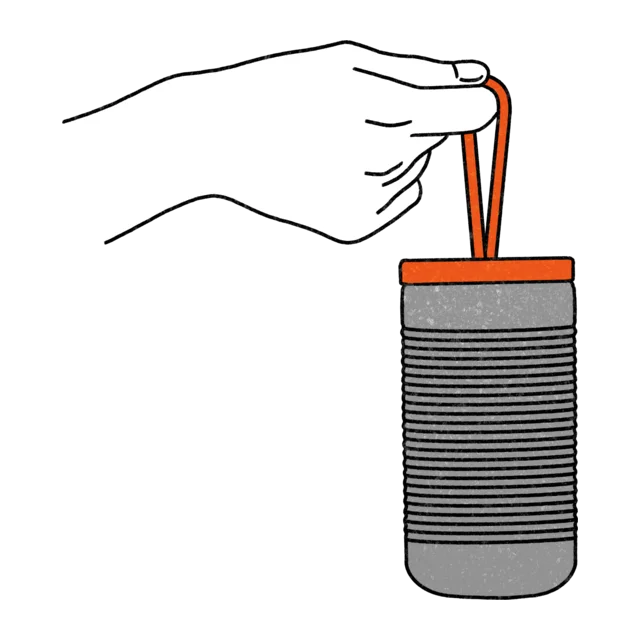
Loop to hold or hang
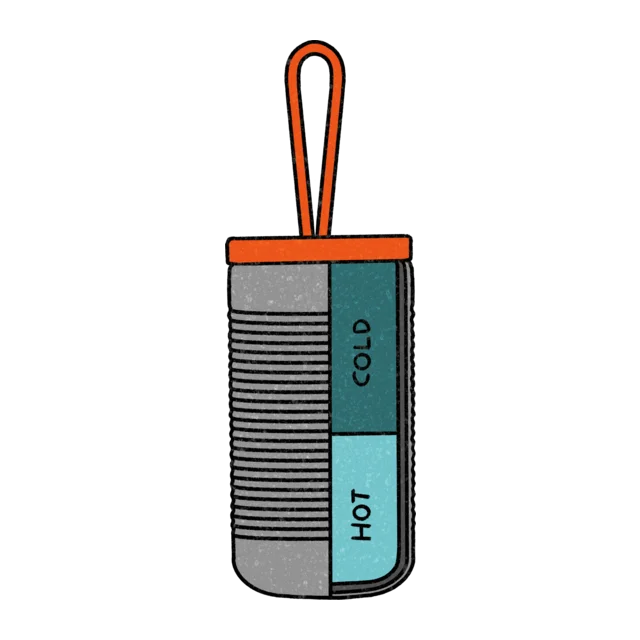
Double wall insulation
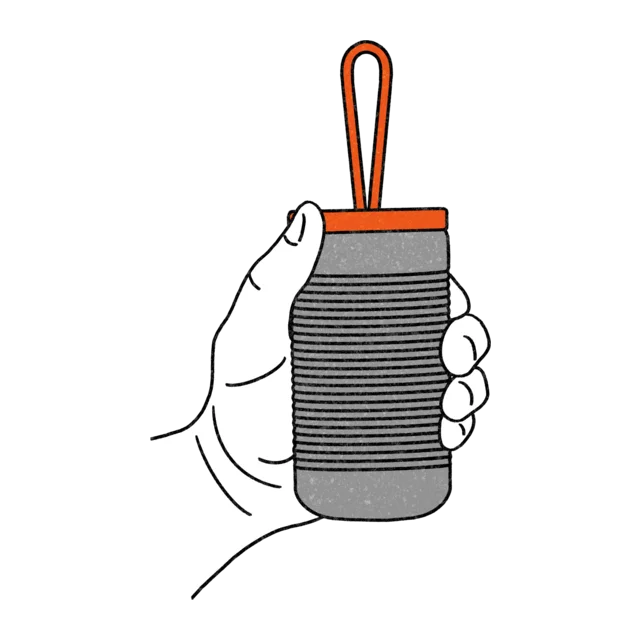
Surface grip
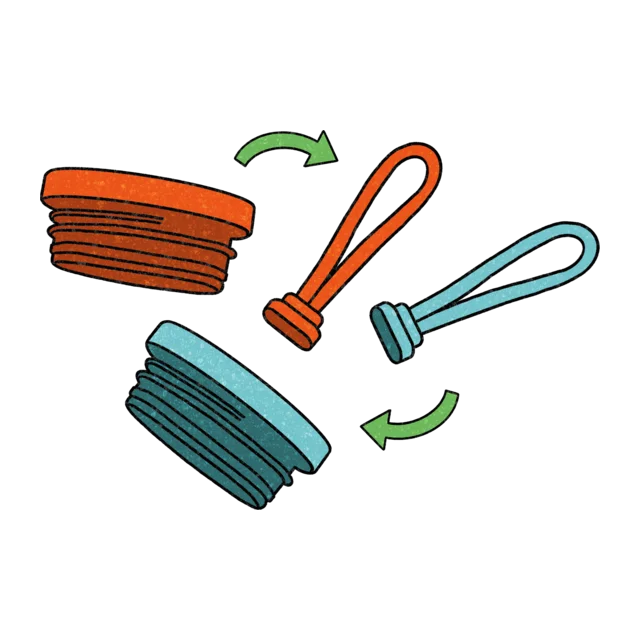
Easy to replace fabric loop
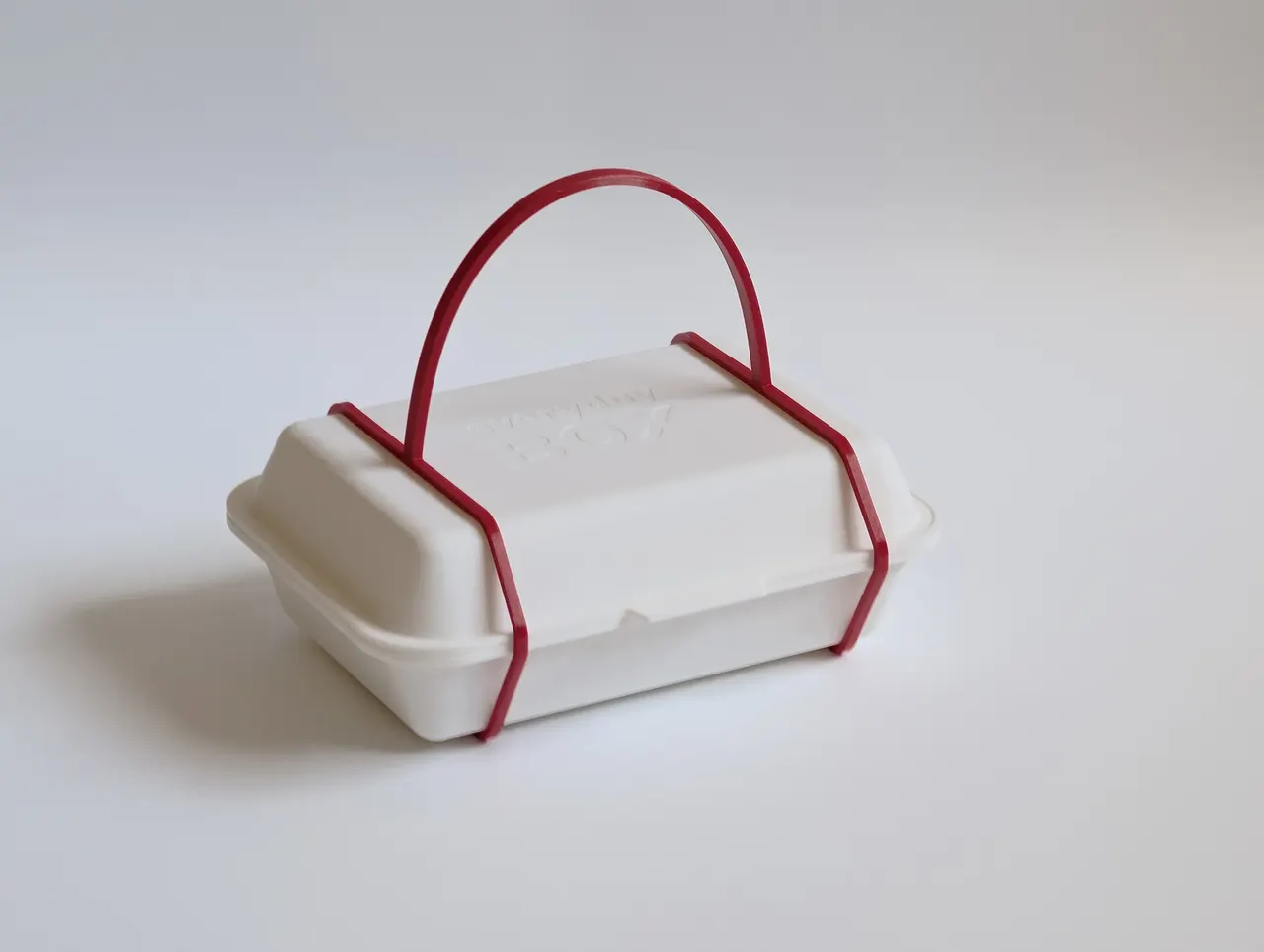
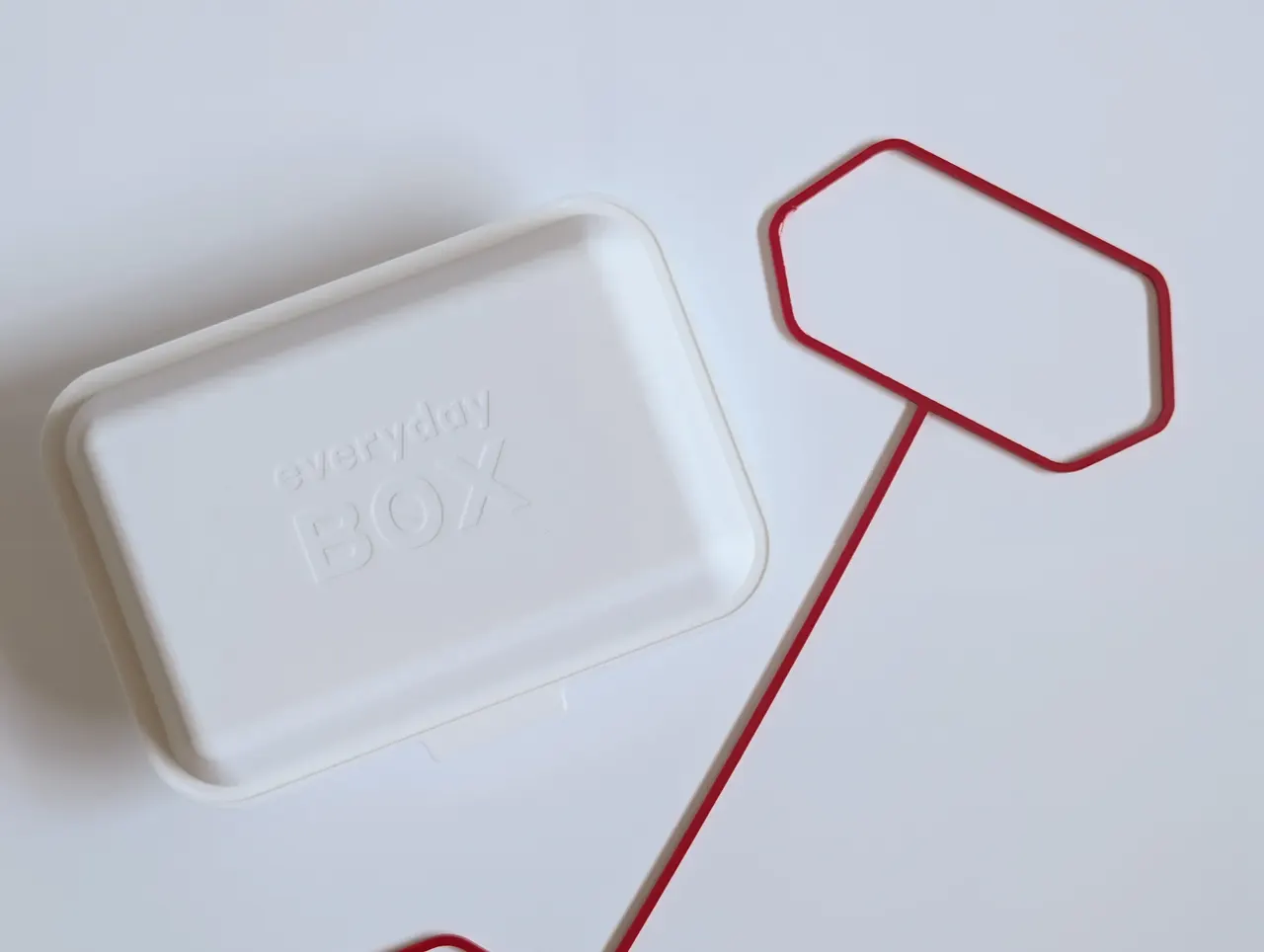
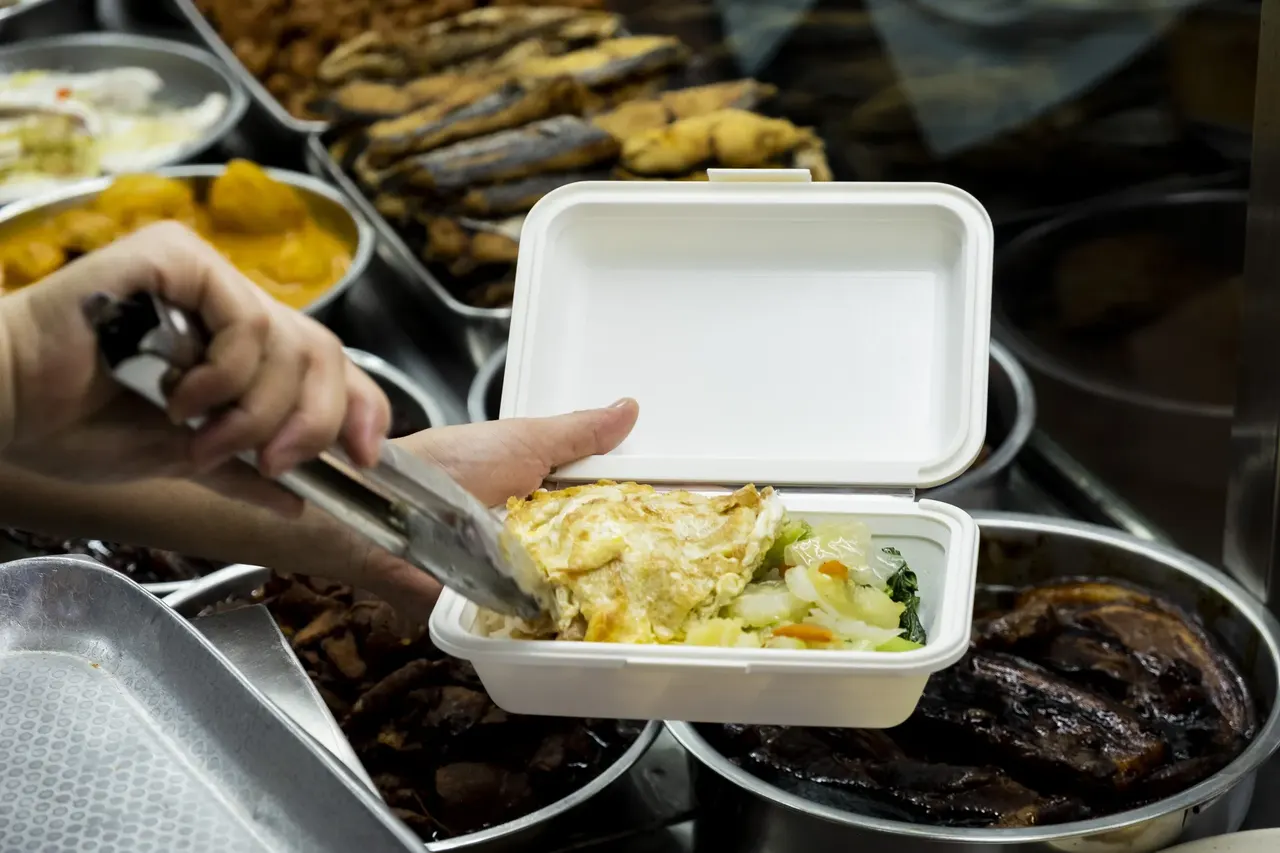
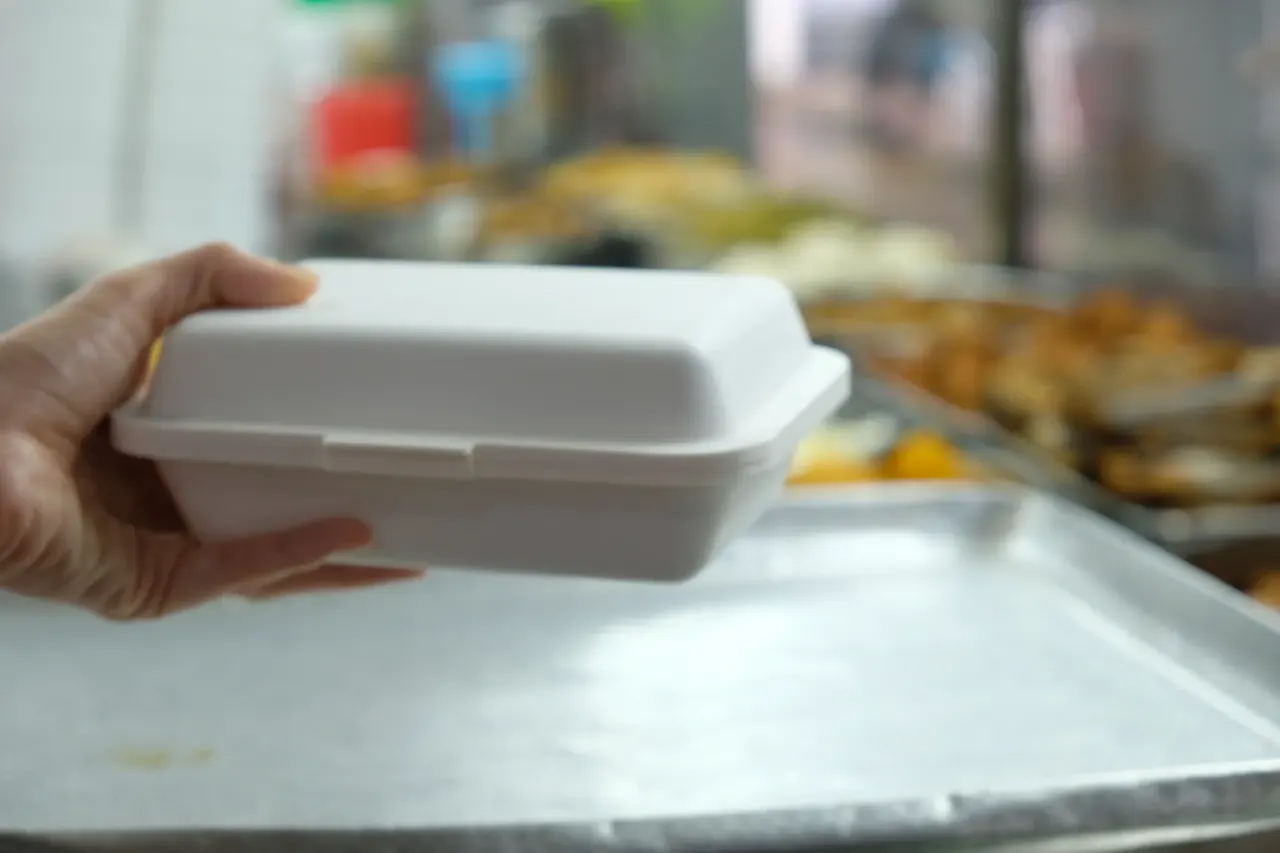
Everyday Box
The foam box, made to last.
Observing and interviewing hawkers illuminate the importance of speed and familiarity with the containers for stakeholders to adopt a reuse model. Hawkers prepare and serve food in less than a minute during peak hours. The 4-hour rule set by the National Environment Agency—all food should be sold or disposed within four hours of cooking—added further pressure to speed up. This could be the reason why hawkers feel frustrated when dealing with BYO containers of various shapes and sizes.
How can we consider the user pain points of both the hawkers and the consumers in the design process? By involving the key stakeholders in the design research process, we hope to scale up individual actions into collective impact through reuse ecosystems.
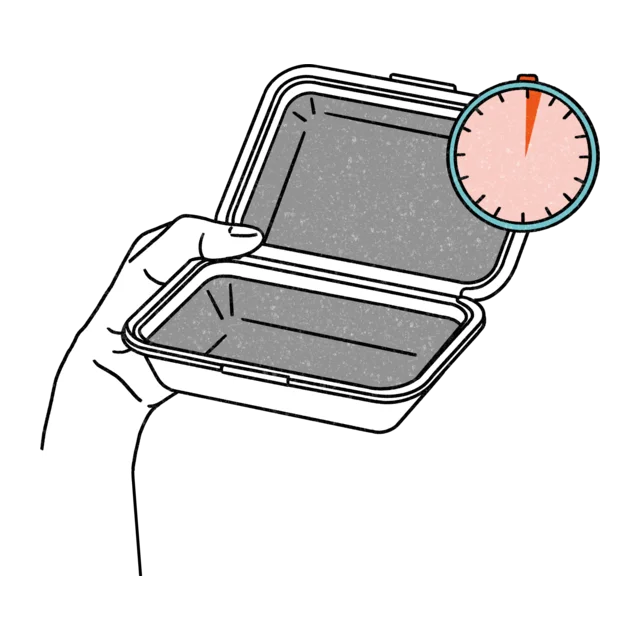
Easy to hold, open and close
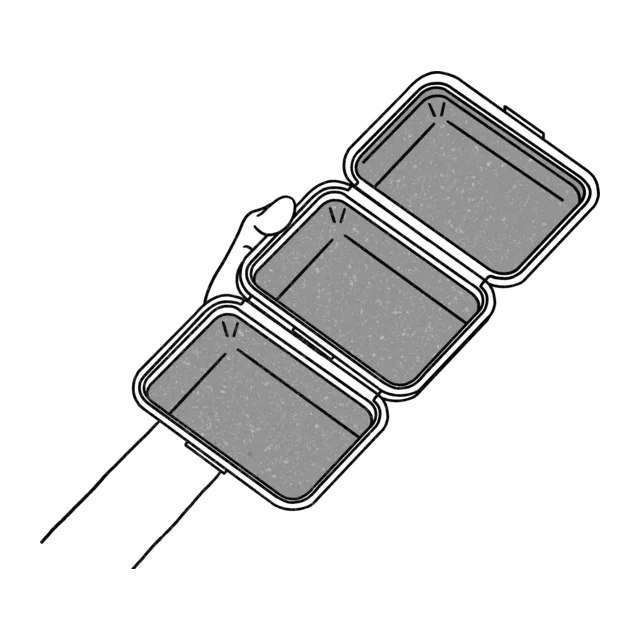
Stackable, fast to serve
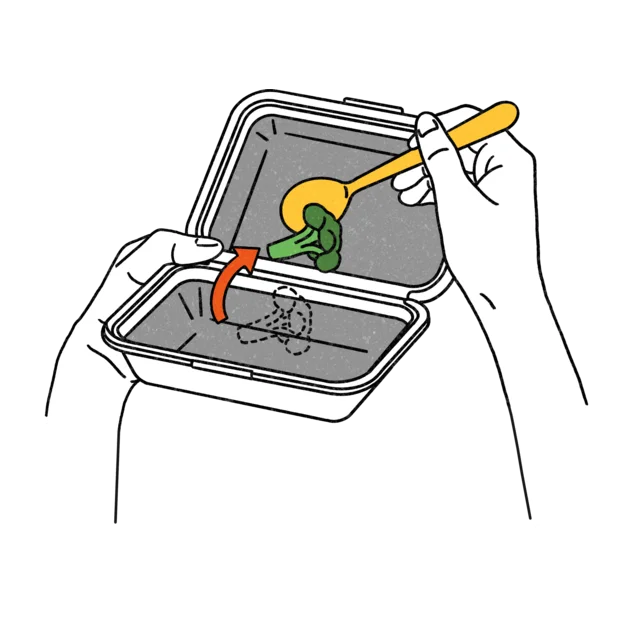
Extended eating area
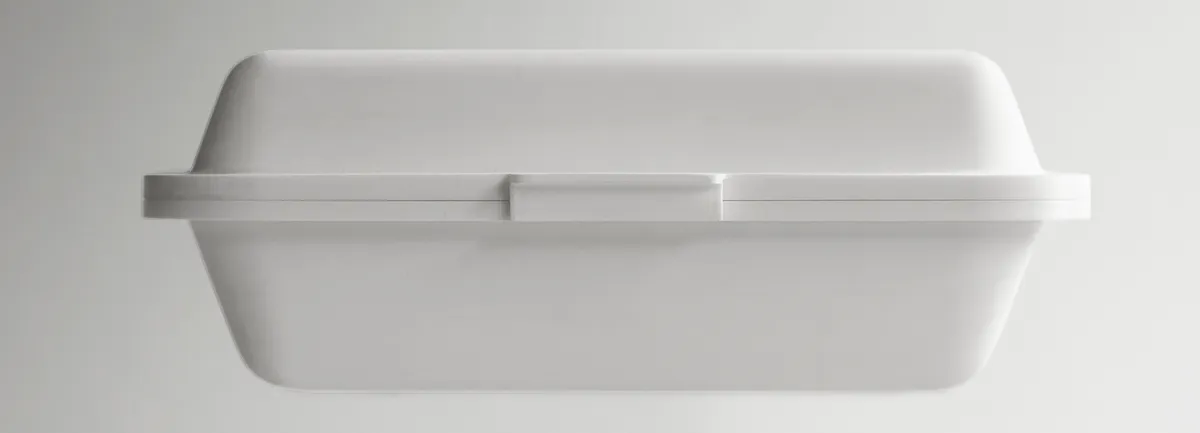
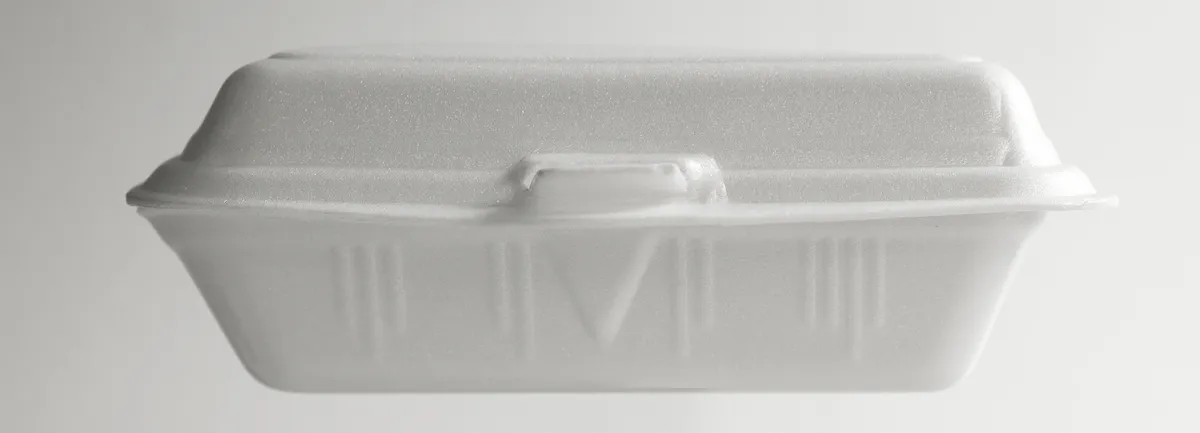
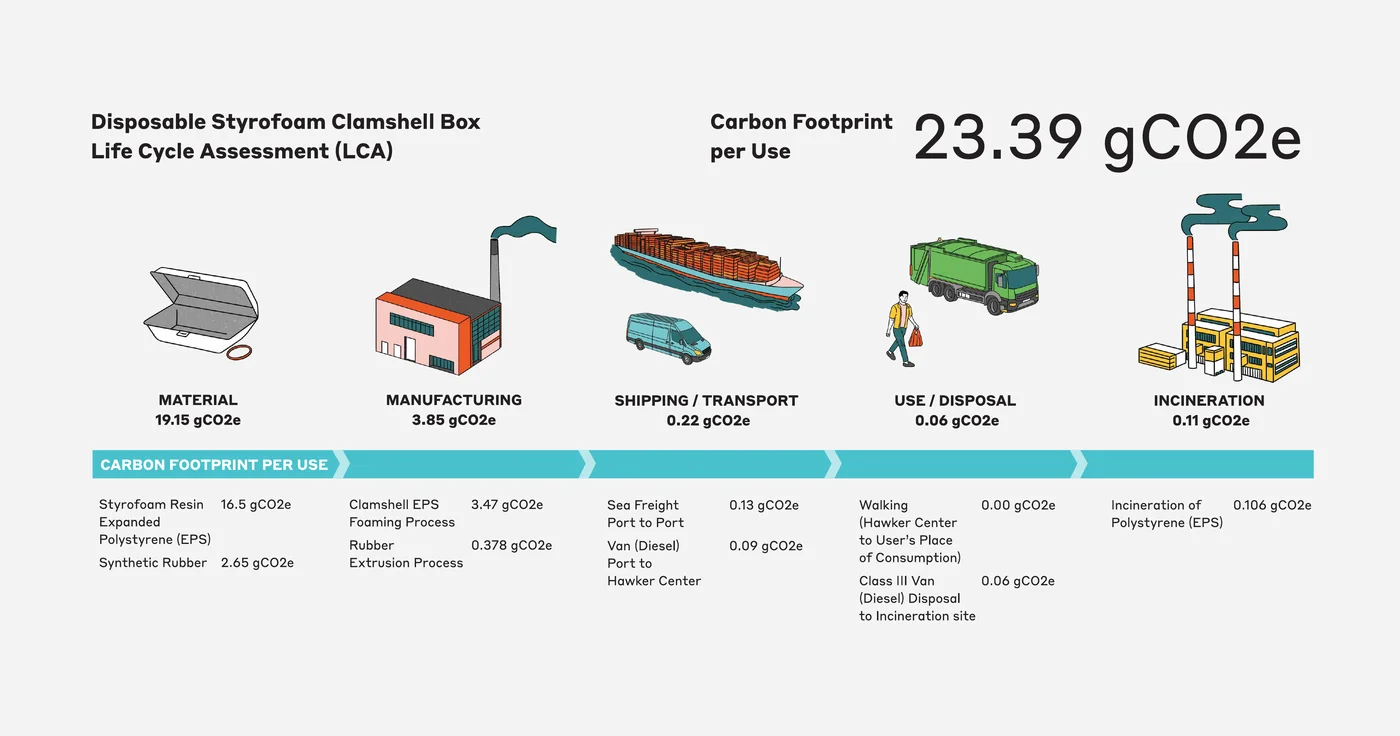
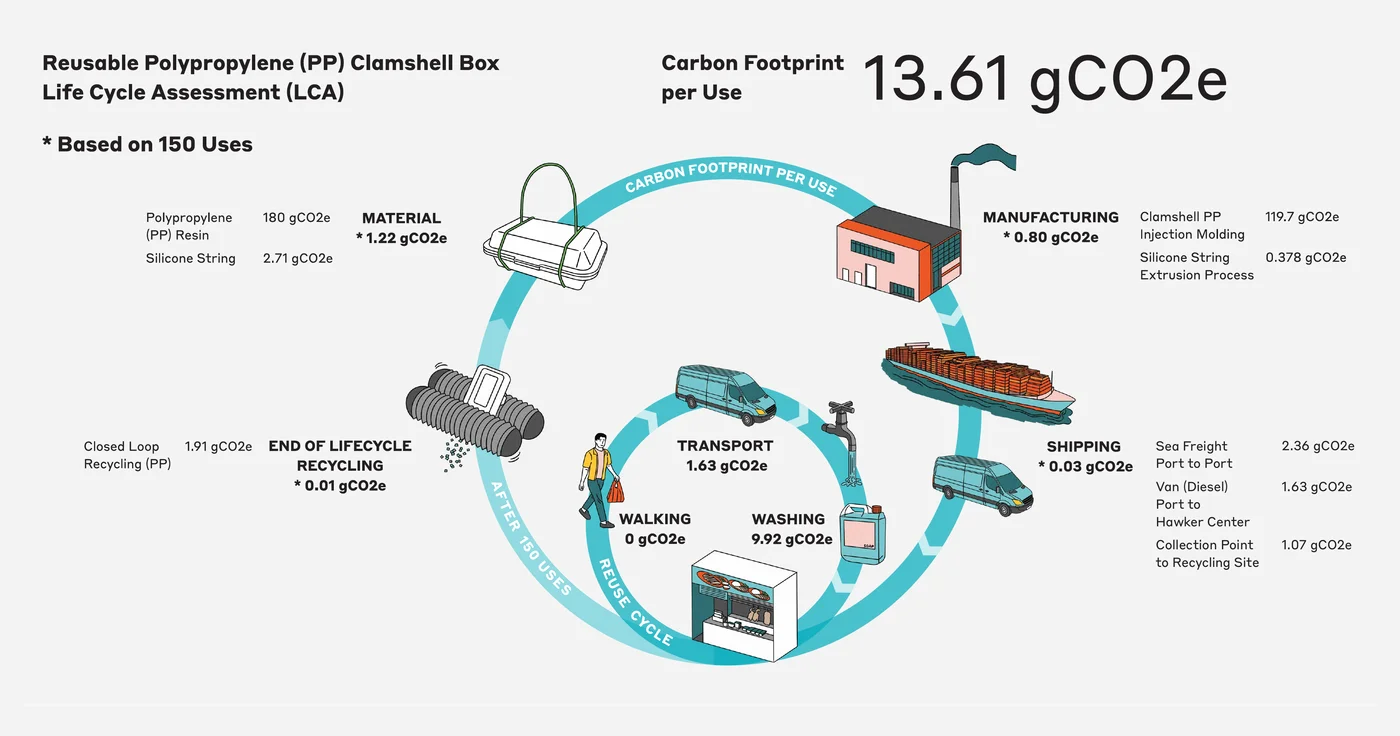
From disposable to reusable, in numbers.
The Hybrid
Reuse without the washing.
Almost half the diners we surveyed don’t bring a container because they don’t want to wash it. The Hybrid pairs a reusable box with a paper liner. The hawker serves into the liner; after the meal, the diner lifts it out and throws it away, and the box goes back in the bag with nothing to rinse. Box and lid nest flat, so it carries slimmer than a full container.
- No washing
- Nests flat
- Fits the hawker’s routine
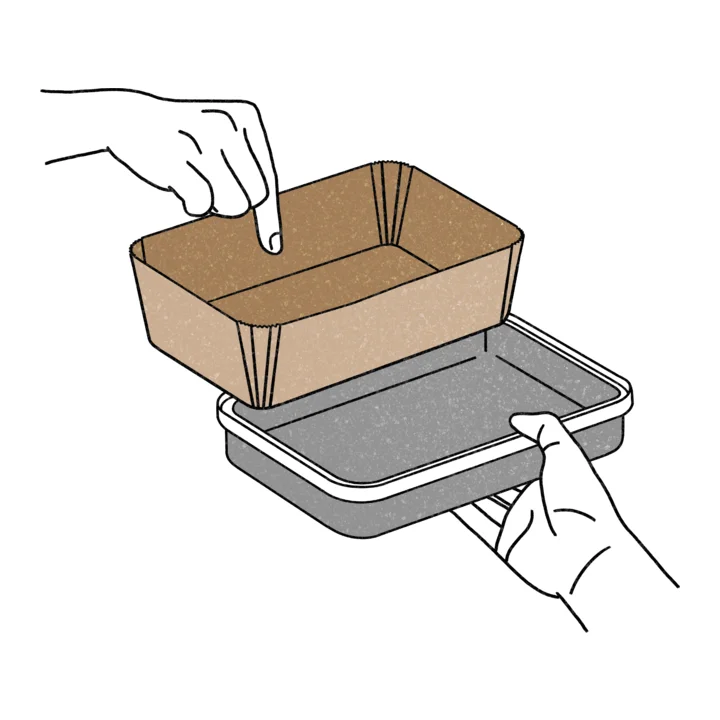
1Insert the liner
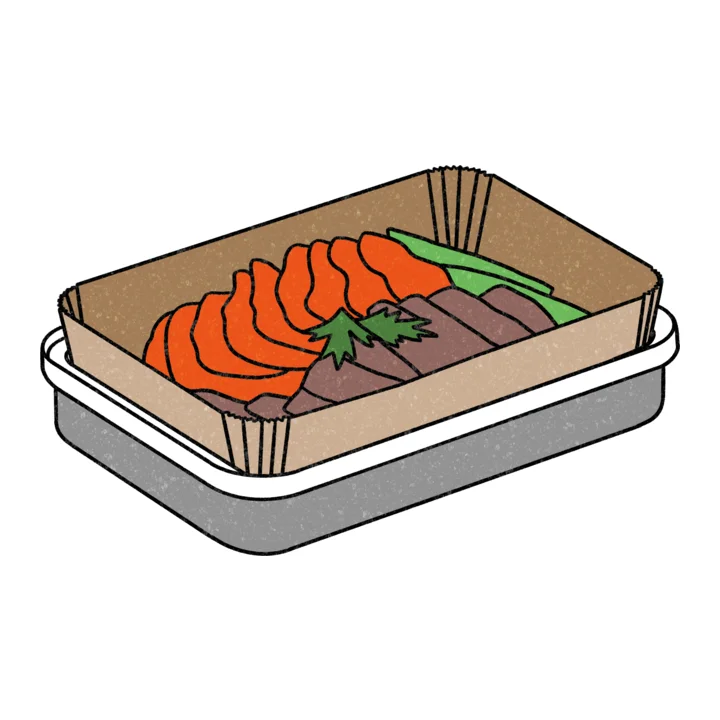
2Eat
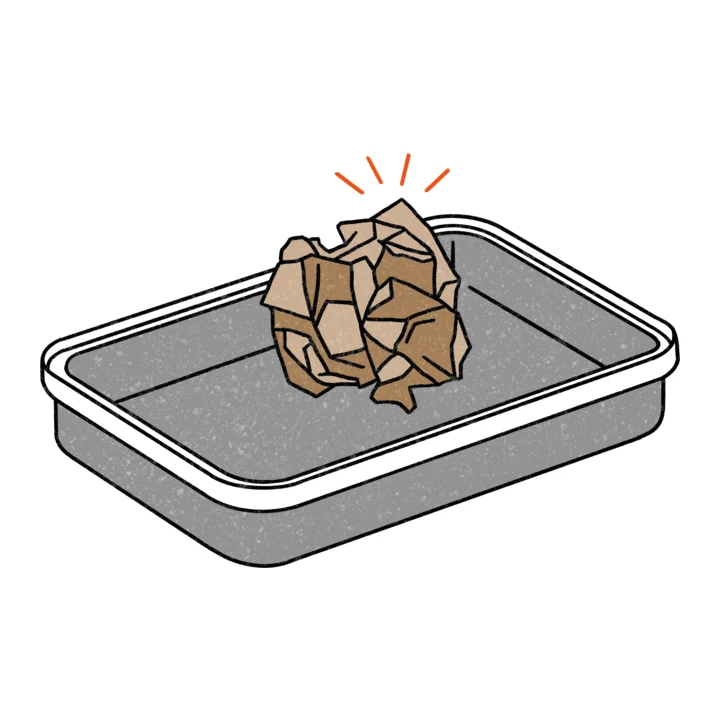
3Toss the liner
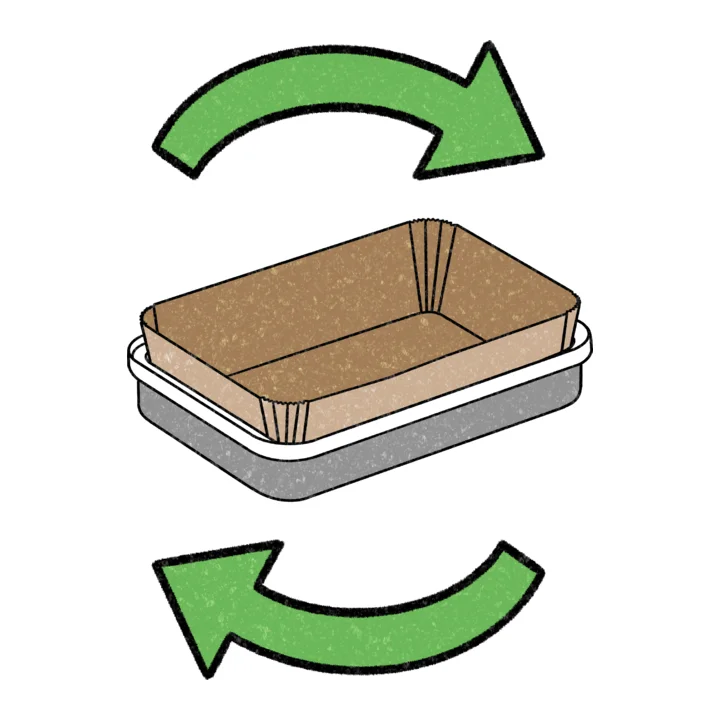
4Use again
How we work
Six stages, from the stall to the factory. Each one ends with evidence and a decision.
- 01
Ground
Peak-hour observation, interviews and surveys at the stall.
- 02
Map
Everyone who touches the object: diner, hawker, operator, washer, regulator, supplier.
- 03
Frame
Many observations, one sharp brief.
- 04
Prototype & test
Tested at the stall, at service speed.
- 05
Prove
Life-cycle and cost-per-use numbers before tooling.
- 06
Make-ready
Suppliers, design for manufacture, samples and minimum orders.